

Indian cooking has always focused on simple, natural ingredients that add both taste and balance to meals. Among these, desi ghee in Indian cooking holds a special place. It is used in everyday dishes, festive preparations, and even basic home meals. From dal and roti to sweets and snacks, ghee continues to be a common ingredient across regions.
Many people today are again exploring cooking with ghee as they return to traditional food habits. While modern cooking oils are widely used, ghee still remains relevant because of the way it fits into Indian recipes.
In this blog, we will understand why ghee has been used for generations and how it continues to be a practical choice in Indian kitchens.
The Role of Ghee in Indian Cooking Traditions
Ghee has been part of Indian cooking for a long time. It is used for preparing food and is also associated with traditional practices and festive cooking. Many households include ghee in their daily meals in small quantities.
In traditional recipes, desi ghee is often used to enhance the base of a dish. Whether it is used in a simple dal or a festive sweet, it adds a familiar flavour that people recognise. Because of this, ghee remains an important ingredient in ghee for Indian recipes across different regions.
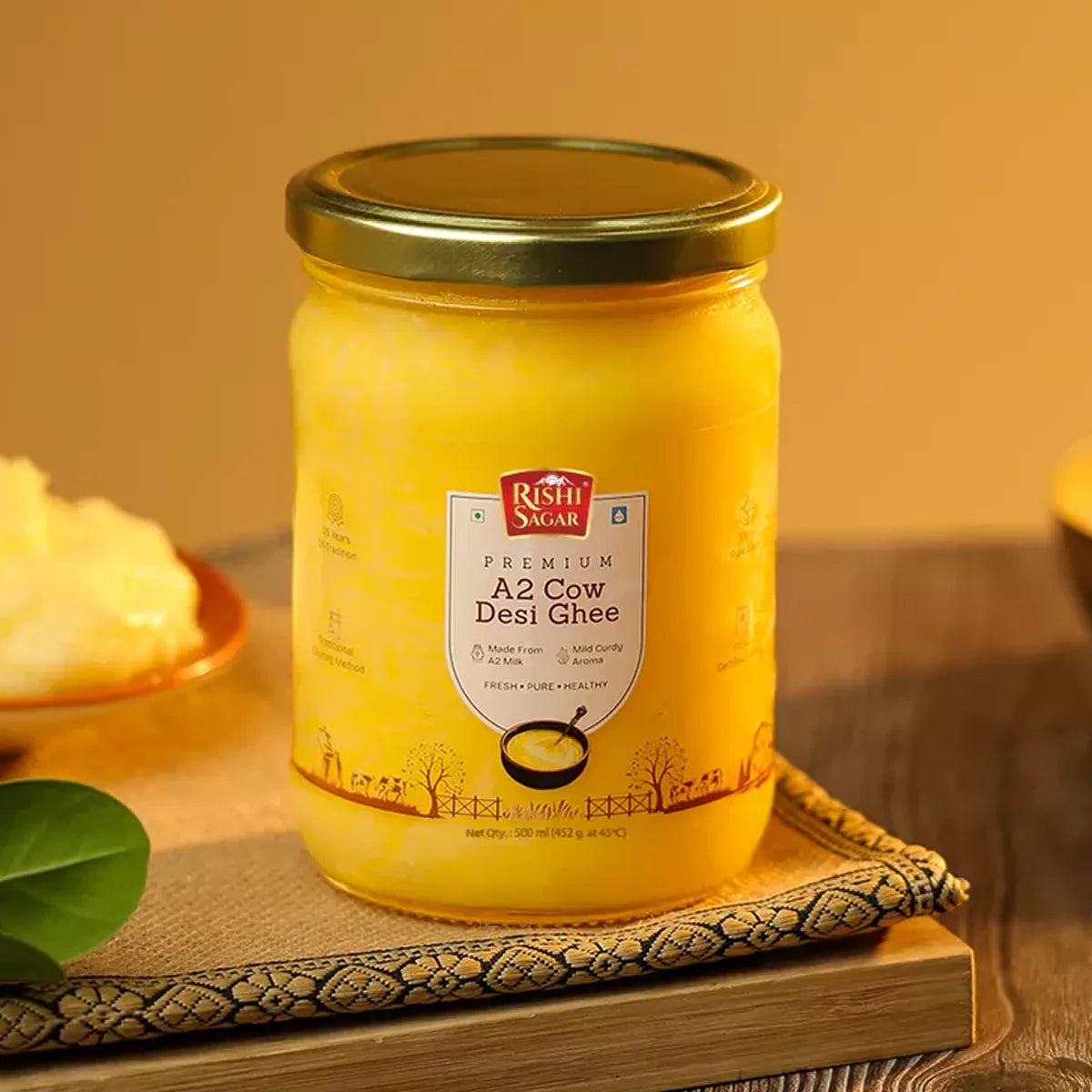
Its consistent use over generations shows how deeply it is connected with everyday cooking habits.
Why Ghee Is Preferred for Indian Recipes
One of the main reasons ghee is widely used is that it works well with Indian cooking methods. Many dishes involve roasting, tempering, or slow cooking, and ghee performs well in these processes.
Ghee also blends easily with spices. When used for tadka, it helps release the aroma of ingredients like cumin, mustard seeds, and garlic. This improves the overall taste of the dish without requiring large quantities.
In recipes like dal, sabzi, paratha, and sweets, cooking with desi ghee provides a familiar and balanced flavour. This is why many traditional recipes continue to use ghee instead of replacing it completely with other fats.
Benefits of Ghee in Cooking
Ghee offers several practical advantages in everyday cooking. These benefits are not only related to taste but also to how it performs during different cooking processes. Because of its consistency and versatility, ghee fits well into a wide range of Indian recipes.
Some key benefits of ghee in cooking include:
-
It adds richness and aroma to simple dishes
-
It remains stable during common cooking methods like roasting and tempering
-
It blends well with spices and helps release their flavour
-
It requires only a small quantity to make a noticeable difference
-
It works well across different types of dishes, from dal to sweets
Another advantage of cooking with ghee is that it can improve the overall texture of food. For example, it can make rotis softer, give a better finish to dal, and help ingredients come together smoothly in recipes like halwa.
Because of these properties, ghee is often used as a finishing ingredient or in small amounts during cooking. This makes it easy to include in daily meals without overusing it.
Everyday Uses of Ghee in Indian Meals
Ghee can be included in daily meals without making major changes to your cooking routine. It is often used in simple and practical ways that fit naturally into Indian diets.
A common use is in tadka for dal, where a small amount of ghee is heated with spices and added at the end. It is also applied to roti or paratha to improve taste and texture. In vegetable dishes, a little ghee can be used for roasting or sautéing.
Ghee is also widely used in preparing sweets like halwa and laddoos, where it helps bring the ingredients together. These everyday uses show how easily ghee fits into regular meals.
Choosing the Right Ghee for Cooking
The quality of ghee plays an important role in how it performs in cooking. Pure ghee prepared using traditional methods usually has better aroma and consistency.
Rishi Sagar has over 35 years of experience in dairy processing and traditional ghee preparation. The focus is on curd-based methods supported by controlled hygiene systems to maintain purity and consistency.
When selecting ghee for daily use, it is important to choose a reliable source that focuses on quality. This helps ensure that the ghee retains its natural properties and works well in different recipes.
Conclusion
Ghee continues to be an important part of Indian cooking because of its practicality and connection with traditional recipes. It blends well with everyday meals and adds flavour without requiring large quantities.
Understanding the role of ghee and its benefits helps in using it in a balanced way. Instead of avoiding it completely, it can be included in small amounts as part of regular cooking.
With the right quality and usage, ghee remains a simple and useful ingredient in both traditional and modern Indian kitchens.
FAQs
1. Why is desi ghee used in Indian cooking?
Desi ghee is widely used because it enhances flavour and blends well with traditional cooking methods. It also helps bring out the aroma of spices during processes like tadka and roasting.
2. Can I cook daily meals using ghee?
Yes, ghee can be used in daily cooking when added in small quantities. It works well in simple meals like dal, roti, and vegetables without making the food too heavy.
3. What are the benefits of ghee in cooking?
Ghee improves taste and adds a rich aroma to everyday dishes. It also blends easily with spices and works well in different cooking methods like sautéing, roasting, and tempering.
4. Is ghee suitable for all Indian recipes?
Ghee is suitable for many Indian recipes, especially traditional dishes and sweets. However, its use depends on the type of dish and personal cooking preferences.
5. How do I choose the right ghee for cooking?
Choose pure ghee that is prepared using traditional methods and proper sourcing. A reliable brand ensures consistent quality, better aroma, and a smoother cooking experience in daily use.


