

Summer temperatures in many parts of India can be quite high. During this season, it is common to see ghee become soft or completely liquid inside the container. This often leads people to wonder whether something is wrong with the ghee or if it should be stored in the refrigerator.
Many consumers also search for information about A2 cow ghee storage and look for the best way to store ghee during hot weather. The good news is that a change in texture is usually a natural response to temperature and does not automatically mean the ghee has spoiled.
In this blog, we will explain whether refrigeration is necessary, how summer temperatures affect ghee, and how to store A2 ghee properly to maintain its freshness and aroma.
Does A2 Cow Ghee Need Refrigeration in Summers?
The simple answer is no, A2 cow ghee does not always need refrigeration during summer. Ghee is naturally stable because it contains very little moisture, which helps it stay fresh for a longer time compared to many other dairy products.
In most households, ghee can be safely stored at room temperature as long as it is kept away from moisture, direct sunlight, and excessive heat. Seeing ghee turn liquid during summer is completely normal and should not be mistaken for spoilage.
Proper A2 cow ghee storage is usually more important than refrigeration itself.
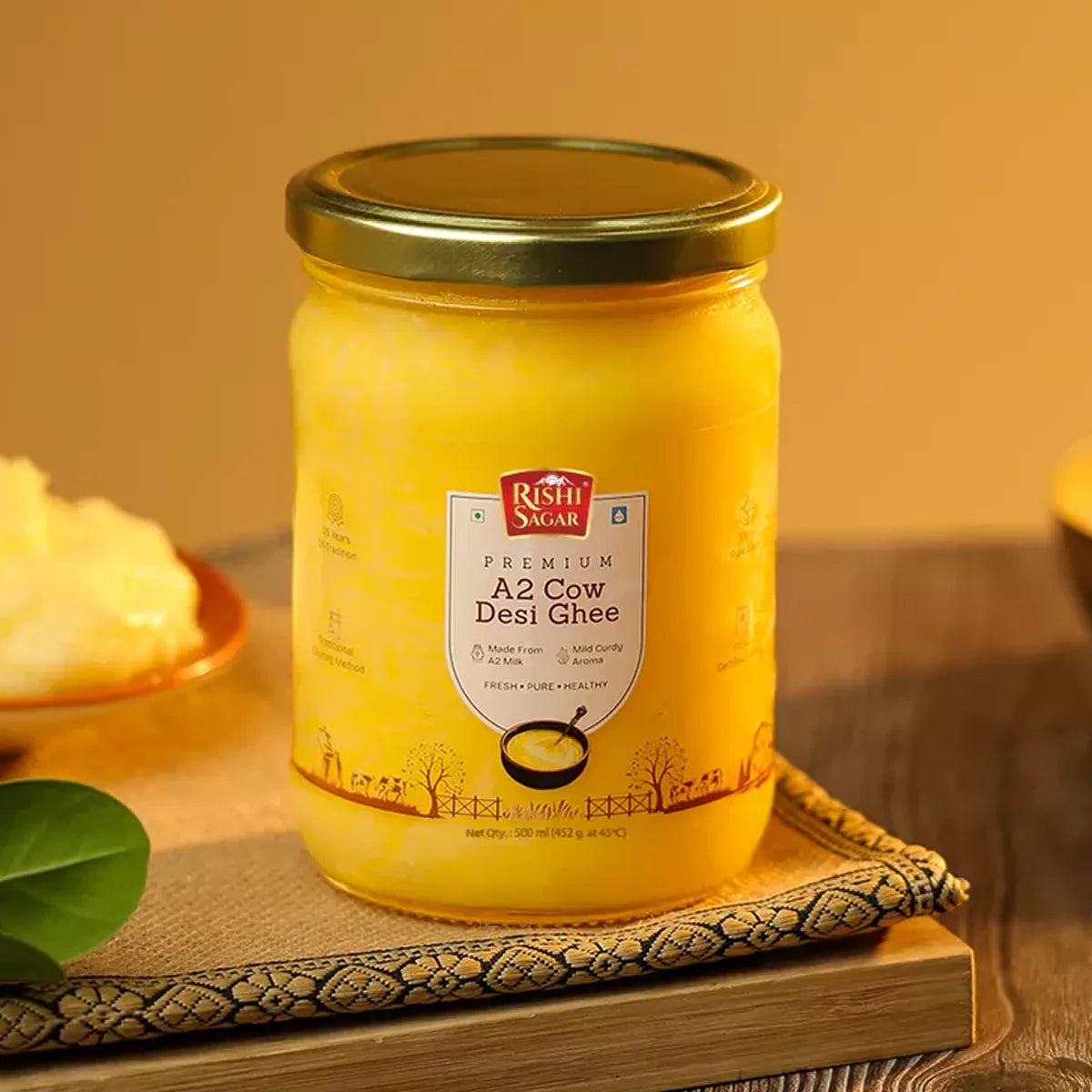
Why Does Ghee Become Liquid in Summer?
Many people assume that liquid ghee has gone bad, but this is not the case. Ghee naturally changes its consistency depending on the surrounding temperature.
During cooler months, ghee often appears semi-solid or grainy. As temperatures rise, especially during Indian summers, it begins to melt and may become completely liquid. This change happens because the natural fats in ghee respond to heat.
A liquid texture does not affect the purity, flavour, or quality of the ghee. Once temperatures become cooler again, the ghee may gradually return to a thicker consistency.
This seasonal change is one of the most common and natural characteristics of pure ghee.
When Should You Refrigerate Ghee?
Although refrigeration is not usually necessary, there are situations where it may be helpful.
If you live in an area where temperatures remain extremely high for long periods, refrigeration can provide an extra layer of protection. It can also be useful if you purchase large quantities of ghee and do not plan to use them quickly.
Some people prefer refrigeration simply because it gives them peace of mind during peak summer months. However, refrigeration is more of a preference than a requirement.
The most important factor remains proper handling and storage.
How to Store A2 Ghee During Summer
Knowing how to store A2 ghee correctly can help maintain its aroma and freshness throughout the season. A few simple storage habits are usually enough to keep the product in good condition.
a) Use an Airtight Container
Always keep ghee in a tightly sealed container. This helps reduce exposure to air and prevents contamination from external elements. Airtight storage also helps preserve the natural aroma of the ghee for a longer period.
Glass jars and high-quality steel containers are often preferred because they do not react with the contents and help maintain consistency.
b) Keep It Away from Heat Sources
Many people store ghee near the stove for convenience, but this is not ideal. Constant exposure to heat can affect the aroma and overall freshness of the product.
Instead, keep the container away from cooking areas where temperatures remain high throughout the day. A cool section of the kitchen is usually a better option.
c) Use a Dry Spoon
A clean and dry spoon is essential for maintaining quality. Even a small amount of moisture can affect freshness over time.
Always ensure that the spoon is completely dry before dipping it into the container. This simple habit can help extend the storage life of the ghee.
d) Store in a Cool Cabinet
One of the best ways to store ghee is in a cool and dry cabinet away from direct sunlight. Closed storage spaces help protect the product from temperature fluctuations and light exposure.
This method is usually sufficient for everyday household use, even during summer.
Common Storage Mistakes to Avoid
Sometimes, small mistakes can reduce the quality of ghee even when the product itself is pure.
Common storage mistakes include:
- Leaving the lid open for long periods
- Using wet or unclean spoons
- Keeping ghee near the stove
- Exposing the container to direct sunlight
- Frequently moving ghee between hot and cold environments
Avoiding these habits helps maintain freshness and consistency.
Does Refrigeration Affect the Texture of Ghee?
Yes, refrigeration can change the texture of ghee, but it does not affect its quality.
When refrigerated, ghee becomes harder and more solid. The natural grainy texture that some people prefer may temporarily reduce. However, once the ghee is brought back to room temperature, it gradually softens again.
These texture changes are normal and should not be considered a sign of spoilage.
Choosing Quality Ghee Matters Too
Storage is important, but the quality of the ghee itself also affects freshness and shelf life. Pure ghee prepared using proper methods generally retains its aroma and consistency better over time.
Rishi Sagar has over 35 years of experience in dairy processing and traditional ghee preparation. The focus is on curd-based methods supported by controlled hygiene systems to maintain purity and consistency in every batch.
When quality production is combined with proper storage, maintaining freshness becomes much easier.
Conclusion
If your ghee becomes liquid during summer, there is usually no reason to worry. This is a natural response to rising temperatures and does not mean the product has spoiled.
For most households, refrigeration is optional rather than necessary. Following simple A2 cow ghee storage practices, such as using airtight containers, avoiding moisture, and keeping the product away from heat, is often enough to maintain quality.
Understanding how to store A2 ghee properly helps preserve its aroma, texture, and freshness throughout the year.
Frequently Asked Questions
1. Does A2 cow ghee need refrigeration in summer?
Usually no. A2 cow ghee can be stored at room temperature if it is kept in a cool, dry place and handled properly.
2. Why does ghee become liquid during summer?
Ghee melts naturally when temperatures rise. This is a normal change in texture and does not indicate spoilage or loss of quality.
3. What is the best way to store ghee in hot weather?
Store ghee in an airtight container and keep it away from sunlight, moisture, and direct heat sources. A cool kitchen cabinet is usually sufficient.
4. Can refrigerated ghee return to normal texture?
Yes. Once brought back to room temperature, refrigerated ghee gradually softens and may regain its usual consistency.
5. How can I increase the shelf life of A2 cow ghee?
Use a dry spoon, keep the container tightly closed, and store it away from moisture and heat. Proper handling helps maintain freshness for longer.


